University Park Epoxy Flooring Company
#1 Epoxy Flooring in University Park, MD
University Park Epoxy Flooring: Epoxy Flooring, Epoxy Countertops, and Commercial & Industrial Epoxy Flooring
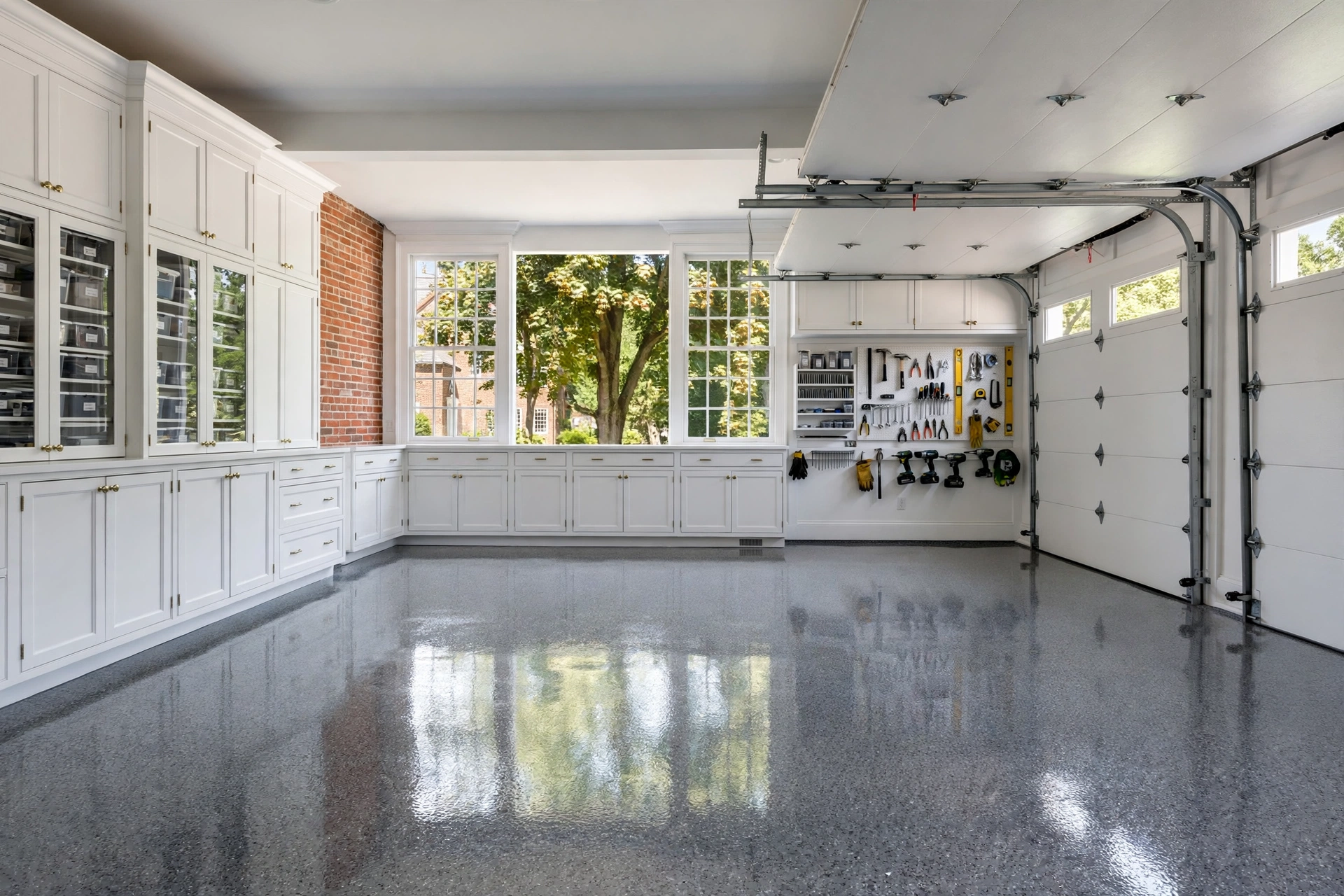
#1 Epoxy Flooring in University Park, MD
University Park Epoxy Flooring: Epoxy Flooring, Epoxy Countertops, and Commercial & Industrial Epoxy Flooring
University Park Epoxy Flooring Company installs epoxy flooring, epoxy countertops, and commercial and industrial epoxy flooring for homes and businesses across University Park, Maryland. We are licensed and bonded under MHIC 155221, we bring 30 years of combined experience to every slab, and we offer veteran friendly service with financing available on qualifying projects.
Our town covers half a square mile in Prince George's County and holds no commercial properties, so nearly every floor we coat sits in a house with history behind it. The whole town forms the University Park Historic District, listed on the National Register of Historic Places, where most homes rose between 1920 and 1945 as one of the first suburbs in the county planned around the automobile.
That history shapes our work every day. Slabs poured before modern vapor barriers became standard sit under a dense canopy of mature trees, Wells Run threads through the town park nearby, and humid summers plus winter salt tracked in from Baltimore Avenue and Maryland Route 410 punish bare concrete. We grind, repair, and test each slab for moisture before we coat it, because preparation decides how long a floor holds.
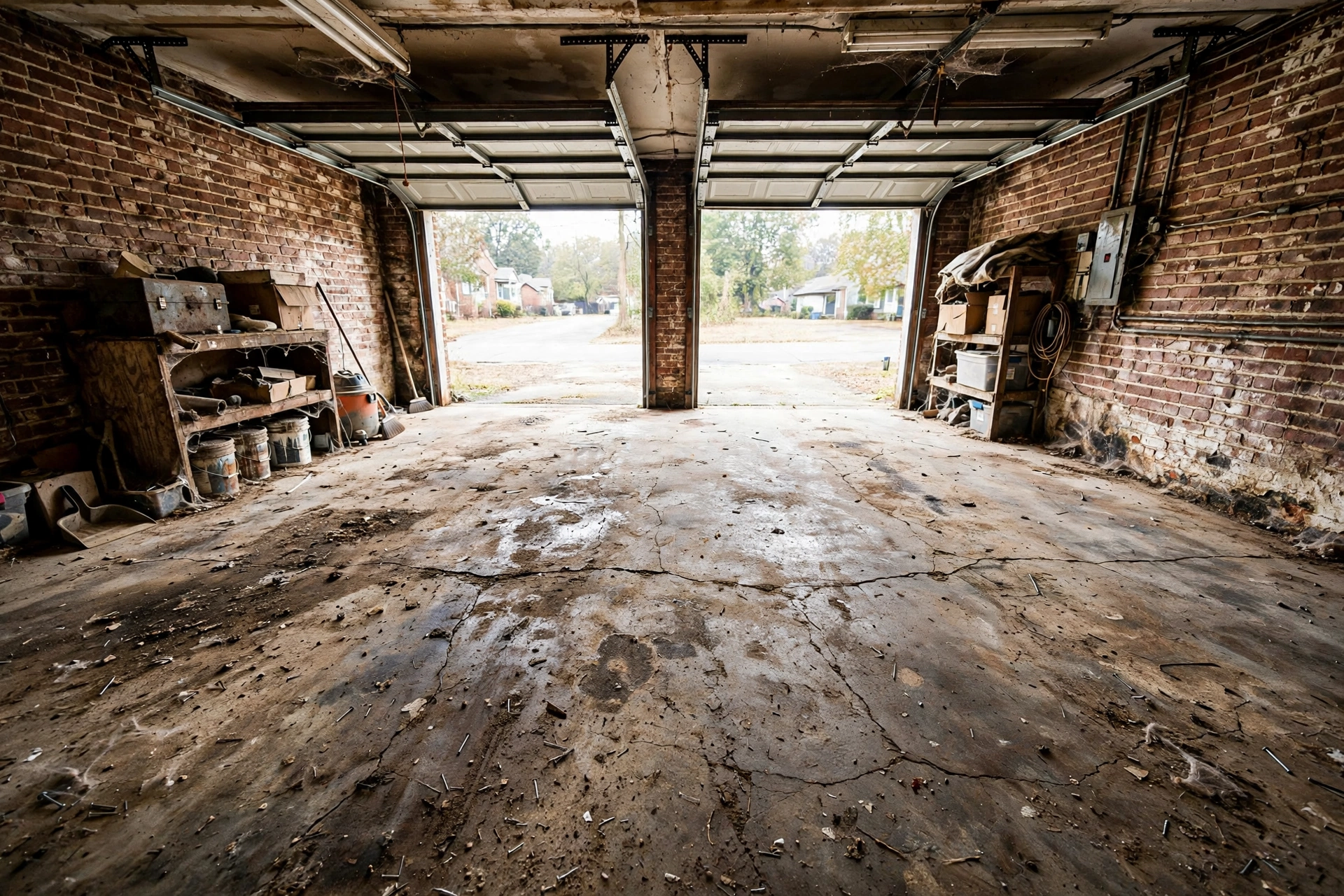
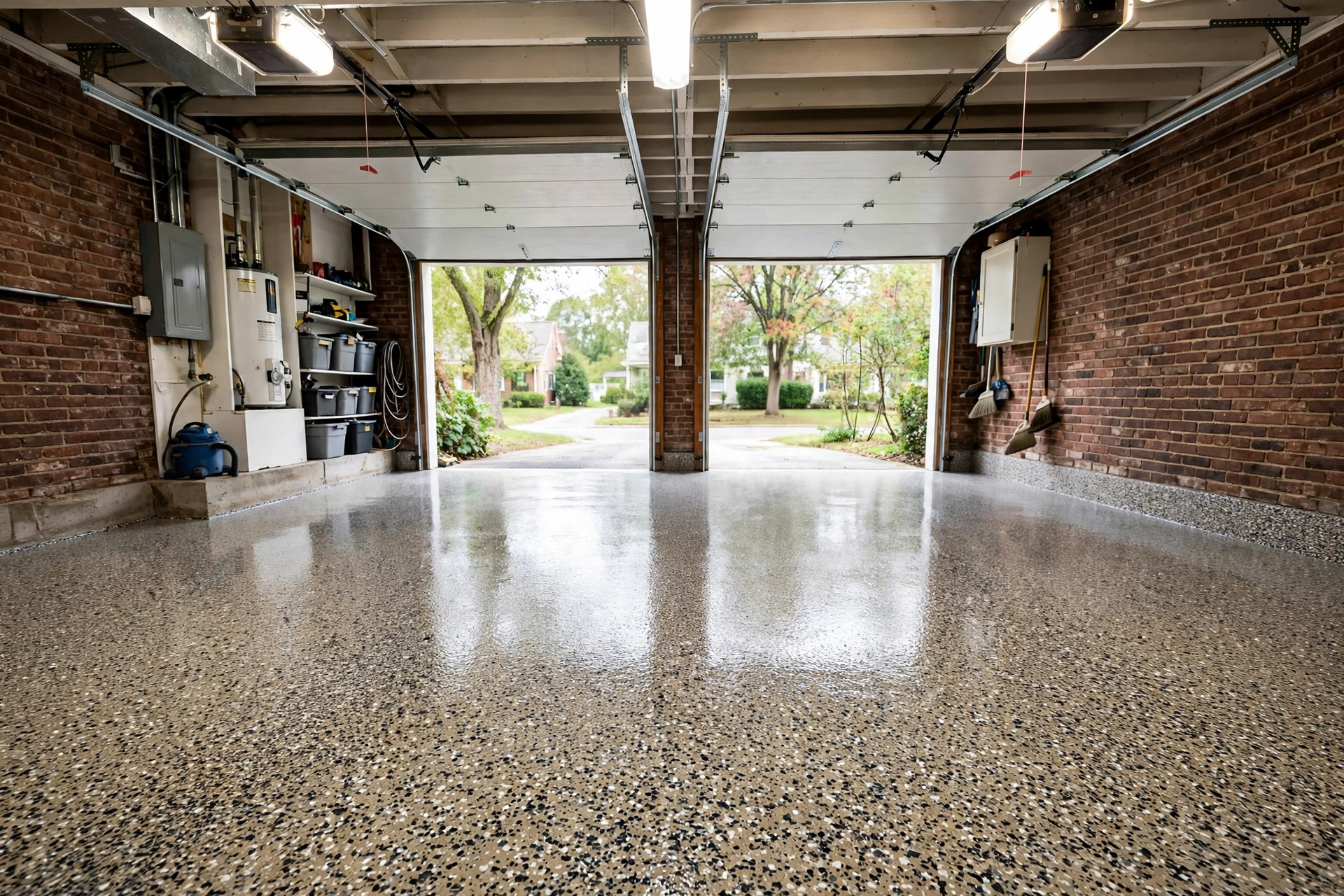
In April 2026 we completed a full flake garage floor near Queens Chapel Road. The scope covered diamond grinding of the original slab, repair of settled cracks near the door line, moisture readings, a high build epoxy base, a full flake broadcast, and a clear protective topcoat. From the homeowner perspective, the lasting change was a compact rear garage that finally parked clean, with salt and grit sweeping out in minutes.
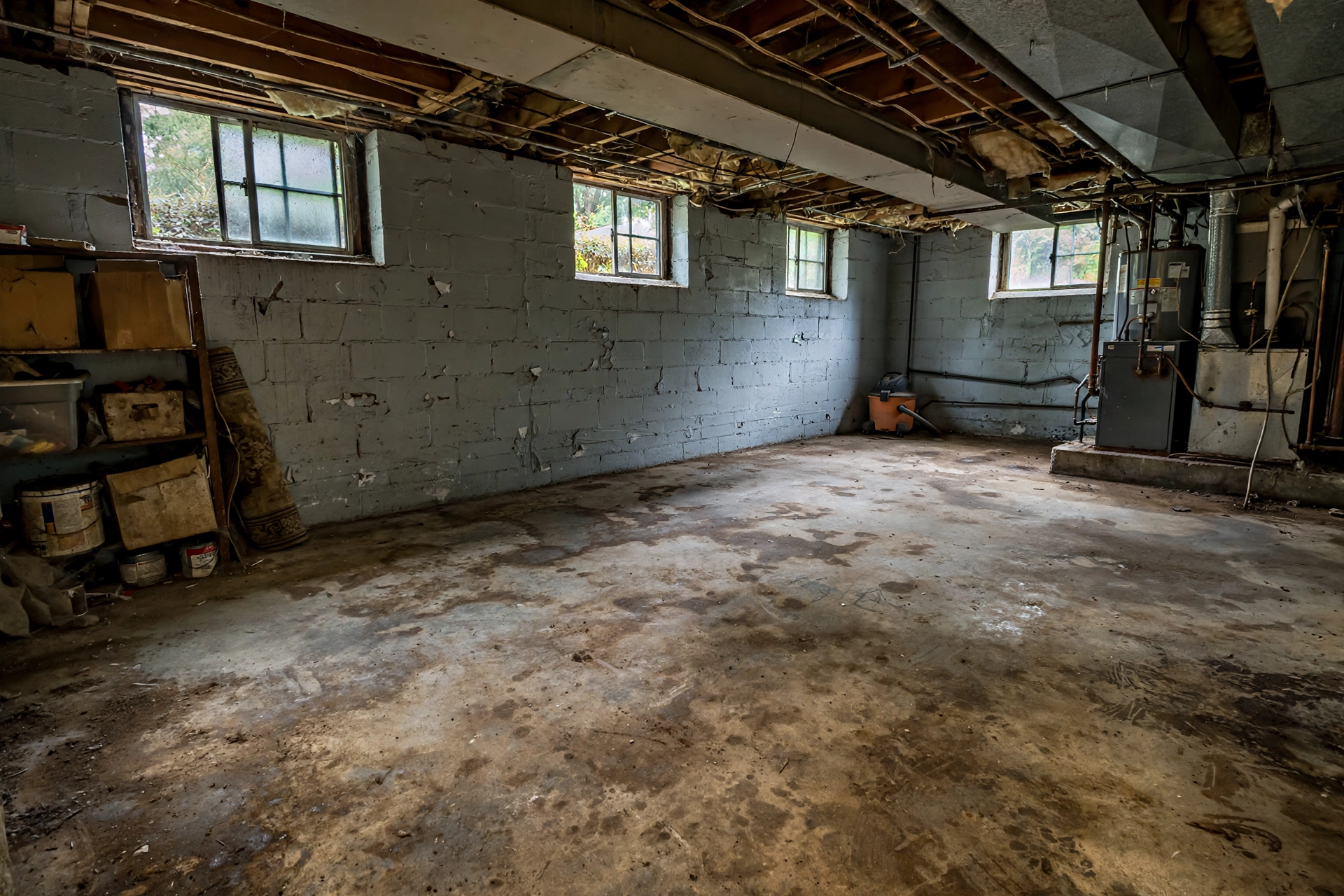
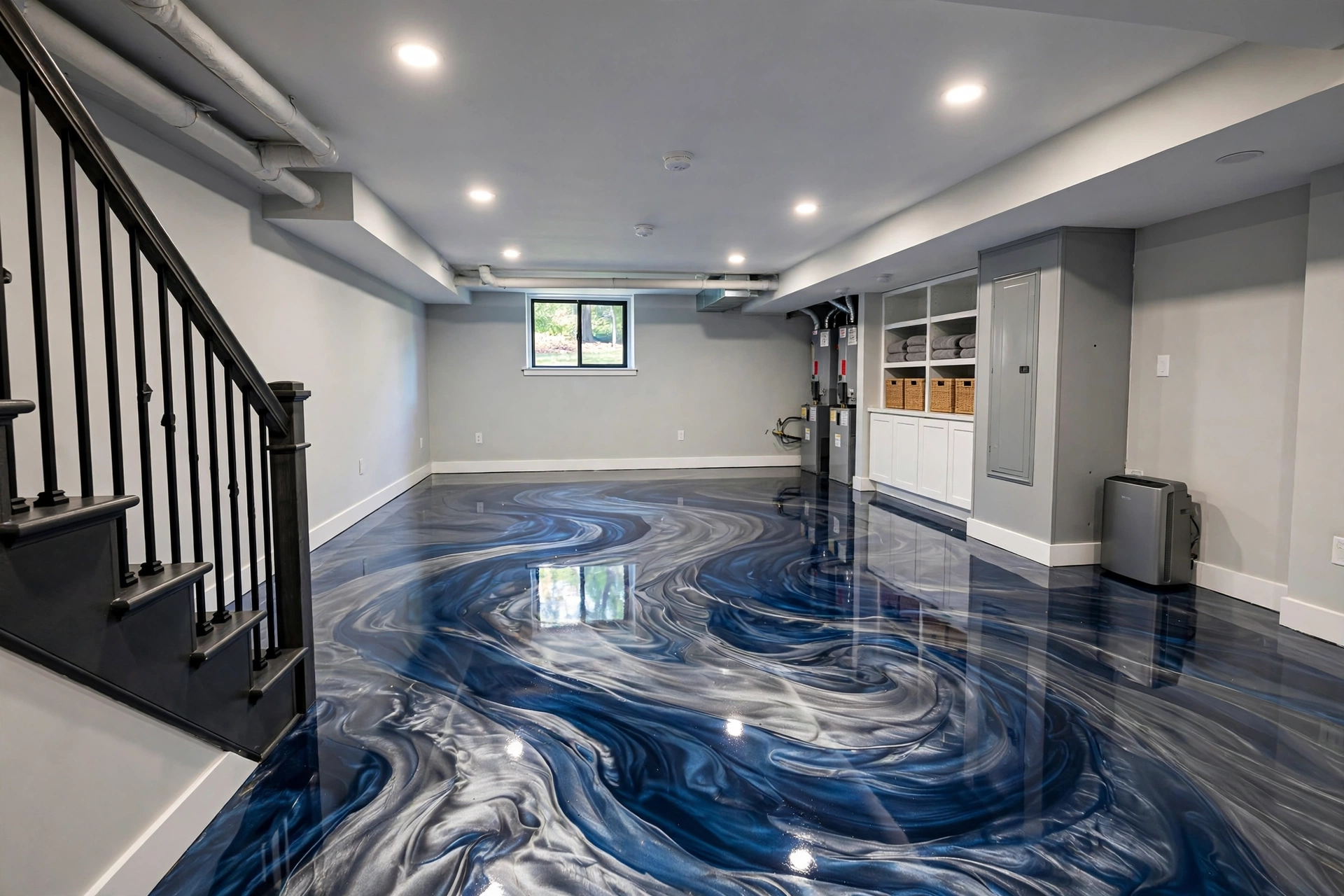
In November 2025 we installed a metallic basement floor near Wells Run and the town park. The scope covered grinding, a moisture mitigation primer across the older slab, a pigmented base coat, a hand worked metallic design layer, and a satin topcoat for a family rec room. From the homeowner perspective, the value lay in claiming damp storage space as finished living area that the family now uses daily.
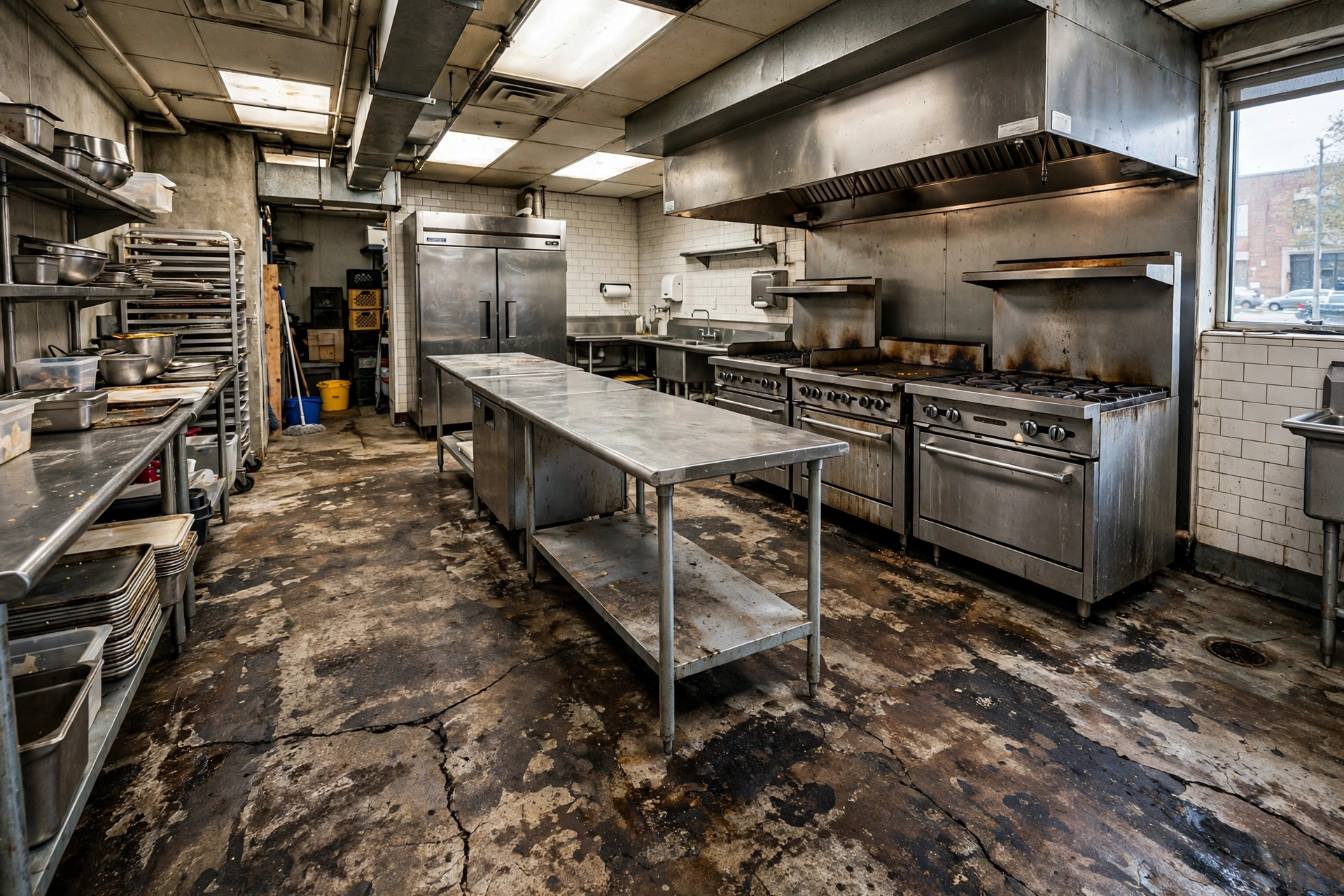
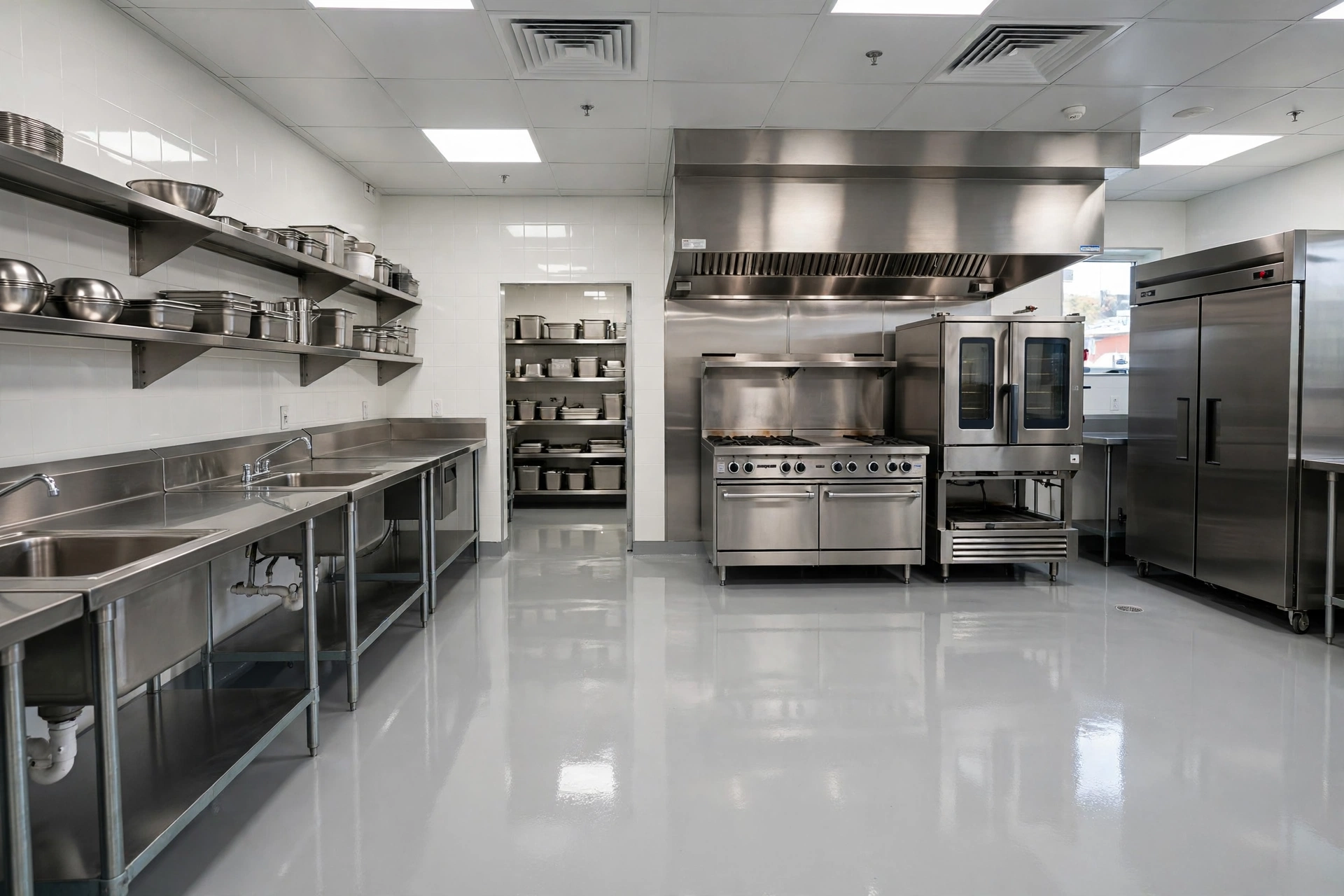
In August 2025 we coated a commercial kitchen floor on Baltimore Avenue in nearby Hyattsville. The scope covered degreasing, grinding, a textured quartz epoxy build, and cove base along every wall, completed in sections during closed hours across three nights. From the owner perspective, the key result was a seamless floor that staff could scrub thoroughly each night without grease settling into grout lines.
Garage work is our most requested starting point in town, and the local housing stock explains why. This district was planned for automobiles from the start, with garages standing apart from the house and set toward the rear of the lot, so many University Park garages are compact structures holding a slab that has settled and cracked for close to a century.
We diamond grind that slab, fill cracks and spalls, and run moisture readings before building a high build epoxy base and a durable topcoat above it. The finished floor resists hot tire pickup, oil drips, and the road salt that rides home each winter, and it sweeps clean in minutes.
Basements in the older homes were poured long before vapor barriers were routine, so ground moisture moves through the concrete and leaves the surface cold, dusty, and prone to damp patches after heavy rain. Coating the slab seals that surface and turns below grade space into rooms a family can actually furnish.
We test moisture at several points across every basement slab and add a mitigation primer wherever readings call for one. Families use the finished space as a rec room, a home office, a guest room, or a play space, with a floor that mops clean and no longer sheds concrete dust.
Metallic systems blend metallic pigments into a clear epoxy binder, and the pigments keep moving while we work the coating, so the cured floor flows with depth that recalls polished stone. No two metallic floors cure alike, and that one of a kind character is exactly why owners choose this system for visible living space.
In University Park we install metallic floors most often in finished basements, entertainment rooms, and lower level living areas where the floor itself carries the design. We finish each one with a gloss or satin topcoat that guards the design layer against chair legs, foot traffic, and daily cleaning.
Flake systems scatter vinyl color chips across a wet epoxy base before a clear topcoat locks the broadcast in place. The chips build light texture underfoot, soften the look of minor slab flaws, and give the floor a finished stone like appearance in blends that run from quiet grays to warmer mixes with tan or blue.
Owners here favor flake in garages, mudrooms, and laundry areas because the texture helps with grip when rain or snow melt comes in on shoes and tires. The surface hides everyday dirt between cleanings and still mops up fast.
Epoxy countertops pour over sound existing counters or fresh substrate and cure into a seamless surface with hand worked veining and depth that echoes natural stone. Kitchens in Bungalow and Colonial Revival homes gain a full refresh without demolition, dump fees, or weeks of waiting on slab fabrication.
Each pour is custom because we place color and movement by hand while the material is open, and a food safe topcoat seals the surface for daily cooking. Owners add counters in basement bars and laundry rooms to carry the same finish through the house.
Quartz systems broadcast colored quartz granules into epoxy in two successive layers, building a thick and heavily textured surface with natural grip. That grip is why quartz earns its place anywhere water lands often, from entries and mudrooms to laundry rooms and utility spaces.
Quartz also stands among the toughest finishes we install, shrugging off dropped tools, pet traffic, and constant mopping without wearing thin. In shaded University Park lots where porches and entries stay damp under the tree canopy, that texture and toughness solve two problems at once.
Some slabs need rebuilding before any coating can succeed. A century of settling, root pressure from mature street trees, and repeated winter freezing and thawing can leave garage and basement concrete pitted, spalled, or uneven, and coating over that damage only hides it for a season.
We grind out failed material, rebuild low or broken areas with repair mortar or a self leveling overlay, and blend the patch so the finished surface reads as one plane. Once the slab is sound again, it can take a full epoxy system or stand as a clean and durable finish on its own.
Warehouse floors must carry forklifts, pallet jacks, and stacked inventory while staying simple to sweep and mark. We prepare the slab deeply, lay a high build epoxy body, and finish with a hard wearing topcoat that keeps concrete dust out of stored goods. During the same visit we can add line striping, safety walkways, and zone markings in durable colors, giving storage and light distribution owners a brighter floor that crews clean quickly between shipments.
Kitchen floors stay wet, greasy, and under constant attack from hot water and nightly scrubbing, so the system has to be seamless from wall to wall. We build textured quartz or flake systems with cove base that curves the coating up the wall line and leaves no grout seams where bacteria can settle. We schedule kitchen work in sections or during closed hours so restaurants and food service operations near the university keep serving, and the finished surface gives staff grip underfoot even when the floor is wet.
Plant and shop floors meet oils, solvents, thermal shock, and vibration from heavy equipment, and a generic coating fails early under that load. We walk each facility first, note the chemicals and weights in play, and match the resin build to that exposure bay by bay. Heavier zones receive reinforced builds and topcoats chosen for chemical resistance, while cove base keeps wash water and spills from reaching the wall materials.
Retail floors shape what a customer thinks before a word is spoken, so showrooms need a surface that reads bright and cared for under strong lighting. Metallic and decorative flake systems deliver that reflective finish while still standing up to daily public traffic. Storefronts and service showrooms near the university choose these floors because they clean fast at closing and hold their gloss, and we phase the work by area so a business can keep part of the floor open while the rest cures.
Town rules kept commerce out of University Park, and the town still holds no commercial properties, so our commercial crews work the Baltimore Avenue and Route 1 corridor and the business districts of College Park, Hyattsville, and Riverdale Park. Owners call us because we explain the slab in front of them, put the full scope in writing, and refuse shortcuts that cause peeling floors. The sections below show how our process, materials, and scheduling protect that promise.
Our process opens with a site visit where we measure the space, inspect the slab surface, note prior coatings, map cracks and control joints, and take moisture readings at several points. We then write a quote that names the system, the preparation steps, the materials, and the schedule, so the owner approves real scope before any equipment arrives.
On project days we grind the concrete, finish repairs, mask edges and fixtures, and build the coating in order from primer through topcoat. We are licensed and bonded, our crews bring 30 years of combined experience to that sequence, and we close with a walkthrough that covers cure times and simple care.
We install professional grade systems built on high solids epoxy that keeps its full thickness as it cures, unlike thin retail kits that shrink as solvents leave the film. A typical build pairs a penetrating primer for bond, a high build base for body and color, a decorative or functional broadcast where the design calls for one, and a topcoat matched to the wear ahead.
Topcoat choices include polyaspartic and polyurethane finishes where sunlight, abrasion, or a quicker return to service matters most. We hold MHIC 155221, we are veteran friendly, and with financing available through our partners, owners can select the right build for the slab instead of trimming the system to fit a tight week.
Most garage and basement projects take two to three days of work on site, beginning with preparation and repairs, moving through coating, and ending with cure time before vehicles or heavy furniture return. Older slabs with deep cracking or high moisture can add a day at the front, and commercial work runs in phases by area.
Each quote carries a written timeline that states when the floor can bear foot traffic, when belongings can move back, and when full use can resume. If preparation uncovers hidden damage or moisture, we explain the finding and the options before we change the plan.
Cost follows square footage, slab condition, preparation needs, and the system selected, and older slabs in the historic district often need more repair and moisture work than newer concrete. The ranges below reflect the premium professional systems we install, and a written quote after a site visit sets the exact figure for a specific floor.
Solid color epoxy runs $4 to $7 per square foot installed, full flake runs $5 to $9 per square foot installed, and metallic epoxy runs $8 to $14 per square foot installed. Moisture mitigation, extensive crack repair, and premium topcoats can move a project within those ranges, which is why we measure and test before we quote any floor.
Two car garages typically run $2,800 to $5,500, while three car garages typically run $4,500 to $8,500. A clean and sound slab keeps a garage near the lower end, while oil soaked concrete, heavy spalling, or removal of a failed prior coating adds preparation time and moves the total upward.
Basement epoxy floors typically run $3,000 to $7,500 across the homes we serve. Metallic designs for finished living space sit toward the upper end, solid color and flake builds for utility or storage areas sit lower, and moisture mitigation remains the most common added scope on slabs poured before vapor barriers were standard.
Commercial epoxy floors typically run $6 to $12 per square foot installed. Open warehouse space with simple access prices toward the lower end, while kitchens, industrial bays, and showrooms that need quartz texture, cove base, reinforced topcoats, or phased work after closing price toward the upper end.
Inside town we coat garages and basements from Queens Chapel Road and the Bloomfield grounds to the streets around University Park Elementary School, the town park and Wells Run, Adelphi Road, and Baltimore Avenue near Town Hall. Bloomfield, the Deakins family house raised in the 1820s on land held since the middle of the 1700s, anchors the oldest layer of that streetscape.
Beyond our borders we serve College Park, Hyattsville, Riverdale Park, Berwyn Heights, Adelphi, Greenbelt, Takoma Park, Bladensburg, Mount Rainier, Brentwood, Beltsville, and Langley Park. If your community sits near that ring and does not appear here, ask us anyway, and we will answer plainly whether we can serve the project well.
Ready to stop looking at stained, dusty, or cracked concrete every time you pull in or head downstairs? We will visit your space, assess the slab, talk through system options in plain language, and leave you a clear written quote with no pressure and no obligation.
Reach out today to begin. You will get a straight answer on what your floor needs, how the work will run, and when you can use the space again.
Solid color epoxy runs $4 to $7 per square foot installed, full flake runs $5 to $9, and metallic runs $8 to $14, while two car garages typically run $2,800 to $5,500 and basements typically run $3,000 to $7,500. Slab condition and preparation decide where a specific project lands, so your written quote follows a site visit and moisture readings.
Most garage and basement projects take two to three days of work on site plus cure time before vehicles return. Preparation comes first, coating follows in sequence, and older slabs with heavy cracking or elevated moisture can add a day.
A floor that was ground, repaired, and moisture tested before coating is built for many years of service, and lifespan follows preparation quality, coating thickness, and daily use. Thin coatings rolled over unprepared concrete fail early by comparison. Regular sweeping and prompt cleanup of spills and road salt protect the finish.
A smooth surface can feel slick when wet, so we plan grip into the build rather than treating it as an afterthought. Flake and quartz broadcasts add texture underfoot, and grip additives can blend into the topcoat for garages, entries, kitchens, and laundry areas.
Yes, in most cases, and older concrete is what we see most across the historic district. We grind the surface, chase and fill cracks, repair spalls, and test moisture before coating, adding mitigation primer where readings require it. If we find structural movement beyond cosmetic repair, we flag it honestly before any coating work is sold.
Care stays simple. Sweep or dust mop often so grit does not abrade the topcoat, mop with a mild cleaner and water, and wipe oil, chemicals, and winter salt residue promptly. Skip harsh solvents and abrasive pads, and the finish keeps its gloss for years.
Start with the form below and tell us what the concrete looks like today. A University Park visit comes first: we measure the room, check the slab for moisture, and match the coating system to how your household actually uses the space.
Prefer to talk it through first? Send the form and we will call you back at the number you give us.